 App
App Compliance
 CRM
CRM Rocket ATS
 Rocket AI
 e-Registration
 Referencing
 Shift Manager
 Timesheets






































What Shared Right to Work Responsibility Would Mean for Temp Agencies
9th December 2025

What Shared Right to Work Responsibility Would Mean for Temp Agencies
The UK government’s proposal to extend the Right to Work (RtW) scheme marks one of the most significant compliance shifts the temporary recruitment sector has seen in years. For the first time, responsibility for verifying a worker’s Right to Work may no longer sit solely with the recruitment agency. Instead, end users, the organisations receiving temporary labour, could soon be required to complete their own checks.
Although the legislation remains under consultation, the direction of travel is clear: compliance expectations are rising, scrutiny is intensifying, and the burden will soon be shared.
For temp agencies, that shift brings both challenges and opportunities. Here’s what it could mean for your operations, your clients, and your competitive position.
- Clients Will Expect Higher Standards
Compliance has already been moving from “back-office task” to “commercial requirement,” and shared RtW responsibility accelerates that trend. If businesses are suddenly exposed to compliance penalties, they will naturally demand greater transparency, better documentation, and more reliable processes from their recruitment partners.
You can expect questions such as:
- “How do you verify RtW?”
- “Can we see the evidence?”
- “Are your checks digital?”
- “What can we do ourselves to stay compliant?”
Agencies with clean, demonstrable compliance workflows will have less friction with clients and win trust more quickly. In contrast, those relying on manual or fragmented processes may face heightened scrutiny, and more pushback during audits or onboarding
This is where Mobile Rocket customers already see a clear advantage. With automated compliance tracking and a full audit trail, our agencies provide instant clarity and reassurance to clients, helping them move faster and with confidence.
- More Admin, More Audits, More Scrutiny
Today, agencies typically act as the single point of compliance, and trust plays a pivotal role. Under shared responsibility, audits will become more frequent and more detailed. With the upcoming Employment Rights Bill strengthening expectations further, agencies should prepare for:
- More document sharing between agencies and end users
- More client queries about compliance steps and evidence
- More spot checks
- Longer onboarding cycles
This introduces potential friction, especially for agencies handling high-volume, rapid-turnover workforces. Unless compliance workflows are automated and centralised, additional manual tasks will create drag—and reduce billable hours.
Mobile Rocket’s Compliance Workflow Framework is designed precisely to eliminate that drag. By automating document collection, reminders, expirations and approvals, agencies reduce administrative bottlenecks while staying permanently audit-ready.
One example is the S4S Team, who transformed a previously manual, error-prone compliance process into a streamlined digital system. With automated workflows and a branded app for candidates, they cut admin time dramatically and passed an EAS deep-dive inspection with zero advisories, while also achieving a 29.5% increase in billed hours over six months.
- Manual Right to Work Processes Will Become a Commercial Risk
Manual RtW checks are already being phased out across many industries, and shared responsibility would accelerate the move toward digitisation.
Clients will expect:
- Digital RtW records
- Secure document storage
- Time-stamped audit trails
- Accessibility from mobile devices
- Automated alerts for expirations or rechecks
Agencies relying on spreadsheets, PDFs, email threads or paper records risk being seen as high-risk suppliers. Not only do manual processes slow teams down, they also expose the agency (and soon, the client) to compliance failure.
Digitising checks reduces time, error rates, and duplication while giving clients complete visibility.
- Terms of Business Will Need Updating
Shared responsibility naturally raises the question: who carries the risk?
Agencies may need to revisit:
- Liability clauses
- Indemnity positions
- Evidence-sharing protocols
- Worker classification and assignment definitions
Clear boundaries will be essential, especially when workers move across multiple sites or assignments. Agencies that handle these changes proactively will strengthen relationships and reduce future disputes.
- Compliance Will Become a Sales Tool
A major but often overlooked opportunity is the commercial upside. If clients share risk, they will prefer suppliers who make compliance easy.
Digital audit trails, instant access to documents, automated reminders and the ability to complete checks via a branded mobile app quickly become differentiators in business development conversations.
Agencies that can demonstrate a consistent, automated, audit-ready process will:
- Win tenders more often
- Reduce client objections
- Shorten onboarding timelines
- Position themselves as low-risk partners
Those who invest early will take market share from agencies who wait for legislation to force change.
The Bottom Line
Shared Right to Work responsibility raises the compliance bar for the entire temporary recruitment industry. But while the change will introduce new operational pressure, it also presents a powerful opportunity: to build trust, reduce admin, improve client relationships and position your agency as a premium, audit-ready supplier.
Platforms like Mobile Rocket give agencies the ability to adapt in advance, digitising compliance, centralising documentation, automating checks and maintaining a ready-to-deploy candidate pool.
In a sector where speed, accuracy and transparency are everything, the agencies who embrace compliance automation now will be the ones that scale confidently tomorrow.
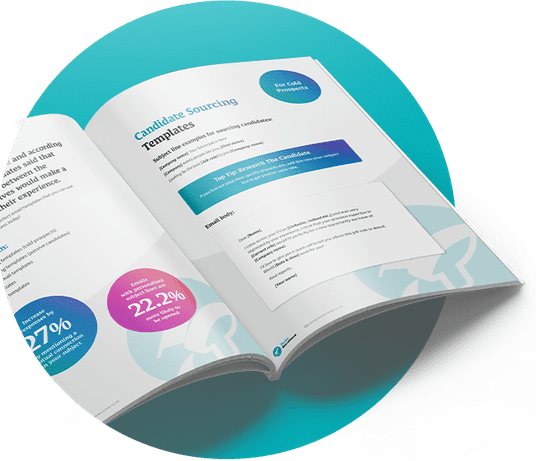
10 Email Templates To Streamline Temporary Recruitment
Streamline your recruitment process like 1000s of successful recruiters, by downloading our free email templates!